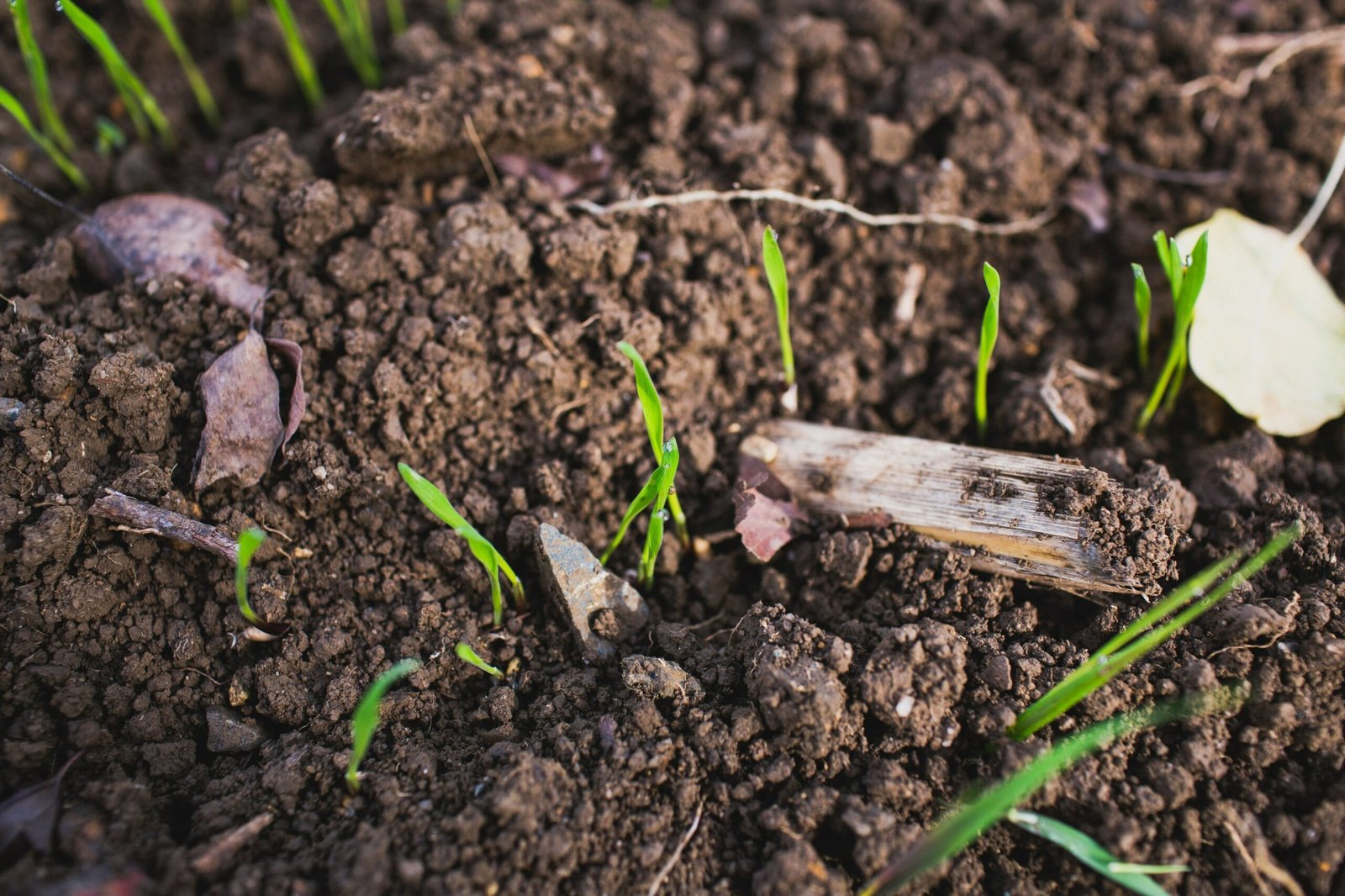
Unlocking Agricultural Innovation With Soil Microbes
Soil microbes are crucial for the future of sustainable food production, as they enhance soil health, increase crop yields, and reduce the reliance on chemical fertilizers. These tiny organisms—bacteria, fungi, and others—break down organic matter, recycle nutrients, and make vital elements like nitrogen and phosphorus available to plants. By supporting natural processes, soil microbes help keep farms productive while reducing harm to the environment.
When farmers utilize soil microbes in agriculture, crops become more resilient, and the ecosystems they inhabit become healthier. Microbes protect plants from disease, mitigate the impact of stressful weather, and help maintain soil balance. It’s a win-win: better food for people, a happier planet. Recent research consistently highlights that harnessing the power of these organisms is a prudent move for long-term food security and a cleaner world (see studies on microbes and sustainable food production).
Key Takeaways
- Soil microbes support healthy soil and strong crops.
- Their activity helps reduce the need for chemical inputs.
- Harnessing microbes is key to sustainable and productive agriculture.
The Role of Soil Microbes in Agriculture
Soil microbes shape how crops grow, how nutrients move in the soil, and how plants resist disease. These living organisms form complex communities that support soil structure, promote plant health, and facilitate sustainable farming practices.
Understanding Microbial Communities
Microbial communities in soil include bacteria, fungi, archaea, viruses, and protozoa. Each type fills a special role, from breaking down plant matter to cycling nutrients. These communities are wildly diverse—seriously, there can be thousands of species in just a teaspoon of healthy soil.
The balance between these microbes affects how well the soil supports farming. A rich soil microbiome can strengthen crops and make them less susceptible to pests or poor soil conditions. Studies indicate that strong microbial communities enhance nutrient availability and improve soil structure, which is crucial for root growth.
Benefits of microbial diversity in soil:
- Faster decomposition of organic matter
- Improved nutrient cycling
- Increased disease resistance
- Better soil structure for water and air flow
If you want to delve deeper, consider the complex and diverse soil microbiomes that researchers are currently mapping out.
Key Types of Beneficial Microbes
Not all soil microbes help crops, but some are real game-changers. These beneficial microbes include:
- Nitrogen-fixing bacteria (like Rhizobium): They grab nitrogen gas and turn it into forms that plants can use.
- Mycorrhizal fungi: They team up with roots, helping plants absorb water and nutrients, especially phosphorus.
- Decomposers (certain fungi and bacteria): They break down dead stuff into nutrients.
These microbes don’t work alone. For example, mycorrhizal fungi extend the root system, letting plants reach nutrients they’d otherwise miss. Nitrogen-fixing bacteria deliver key nutrients without relying on synthetic fertilizers.
When farmers support these beneficial microbes, they can increase yields and reduce their reliance on chemicals. You can dig deeper into beneficial microorganisms in agriculture if you’re curious.
Soil Microbiome and Its Functions
The soil microbiome refers to the entire community of microbes that live in the soil. In agriculture, it handles a few big jobs:
- Nutrient cycling: Microbes recycle nitrogen, phosphorus, and other nutrients, making them available to plants.
- Soil structure improvement: Some microbes produce sticky substances that help soil particles adhere to one another, leading to a more stable structure and improved airflow.
- Plant protection: Certain microbes fend off harmful bacteria, fungi, and viruses, protecting crops from disease.
Healthy soil microbiomes also drive decomposition and nutrient cycling, providing plants with the essential nutrients they need to thrive. When microbes are active and diverse, soil stores more carbon, loses less fertility, and helps crops shrug off stress.
Improving Soil Health Through Microbial Activity
Soil microbes do a great deal of heavy lifting to maintain the soil’s health. Their activity enhances soil fertility, maintains nutrient cycling, and breaks down organic matter, all of which directly impact plant growth and health.
Soil Structure and Fertility
Bacteria and fungi in the soil create and stabilize the soil’s structure. By making sticky extracellular polysaccharides, they glue soil particles together into aggregates. A strong structure ensures better water drainage and airflow, allowing roots to breathe and absorb water more easily.
Well-structured soils don’t erode as easily. They also keep nutrients and moisture around for longer. Microbial activity maintains these structures in good condition, resulting in more fertile and resilient fields. Fields packed with microbes typically exhibit better plant growth and are more resilient to changes in weather or farming practices. Here’s more on how microbes improve soil structure and resilience.
Nutrient Cycling and Absorption
Microbes drive nutrient cycling—think nitrogen, phosphorus, sulfur. Certain bacteria grab nitrogen from the air and turn it into plant food. Others release phosphorus from minerals or organic matter.
Key benefits of microbial nutrient cycling:
- Faster breakdown and release of nutrients
- More reliable supply of nutrition for crops
- Less nutrient loss from leaching or runoff
When more microbes are active, crops get nutrients on demand, not just from chemical fertilizers. Healthy microbial communities lead to better nutrient absorption and higher yields. This is the backbone of sustainable agriculture—see strategies to improve soil health for more.
Organic Matter Decomposition
Dead plants and crop residue get broken down mainly by fungi and bacteria. These microbes break down the rigid material and convert it into humus, which is essential for maintaining soil quality.
Decomposition does a few things:
- Releases nutrients to feed plants and other soil critters
- Helps lock carbon in the soil, cutting greenhouse gases
- Improves water-holding capacity
Adding organic matter regularly and maintaining a healthy microbial environment ensures ongoing fertility and improved crop health. Farmers lean on these natural processes to build long-lasting, productive fields (see more on decomposers in agriculture).
Enhancing Crop Yield and Productivity
Soil microbes play a significant role in enabling crop growth. They increase nutrient availability, help plants cope with stress, and allow farmers to switch from chemical inputs to more natural, eco-friendly alternatives.
Microbial Influence on Crop Growth
Bacteria and fungi break down organic matter, converting it into nutrients that crops can utilize. This natural process maintains healthy soil structure and nutrient cycling, resulting in stronger roots and more robust plants.
Microbial communities also help keep plant diseases in check by outcompeting the pathogens. Healthier crops, better yields. Studies show that boosting beneficial microbes in soil can lead to larger harvests and crops that are more resilient to drought, pests, or disease.
Microbial diversity ties directly to sustainable, long-term soil fertility and crop productivity. Honestly, protecting that diversity feels essential for future food security.
Biofertilizers and Plant Growth Regulators
Biofertilizers—made from live microbes—add nutrients to soil and give plant growth a lift. They can replace or at least reduce the need for chemical fertilizers, which is a big deal for sustainability.
Some biofertilizers release key nutrients, such as phosphorus and potassium, in forms that plants can readily absorb. Microbes also churn out natural plant growth regulators (think auxins and gibberellins) that encourage faster, healthier crop development.
When farmers use biofertilizers, they often experience higher yields, lower costs, and reduced environmental impact. These products are becoming go-to tools for healthier soils and better agricultural productivity.
So, where does that leave us? Honestly, soil microbes are kind of the unsung heroes of sustainable agriculture. They quietly do the work that keeps food growing, soil healthy, and chemical use in check. As more farmers and scientists tune into the power of these tiny organisms, the future of food production could look a lot more resilient—and maybe even a little brighter.
Nitrogen-Fixing Bacteria and Mycorrhizal Fungi
Nitrogen-fixing bacteria—think Rhizobium—grab nitrogen from the air and turn it into forms that crops can use. This natural fertilization means farmers don’t have to lean so hard on synthetic nitrogen fertilizers, which is a win for sustainability.
Mycorrhizal fungi attach to plant roots, helping plants absorb water and essential nutrients like phosphorus. This partnership significantly enhances plant resilience and yield, particularly in challenging or depleted soils.
Microbes like these enhance nutrient availability, develop stronger root systems, and contribute to maintaining steady crop yields over time. Many growers now view them as essential for sustainable agriculture.
Disease Suppression and Sustainable Crop Protection
Soil microbes play a significant role in protecting plants from diseases through natural processes. They cut down the need for chemical pesticides, support disease resistance in crops, and create healthier root environments.
Soil Microbes Encourage Pathogen and Disease Resistance
Soil-dwelling microbes like Pseudomonas spp. Compete with or attack harmful pathogens, making it more difficult for diseases to establish a foothold in plant roots.
Some bacteria produce substances that inhibit the growth of fungi and viruses before they can infect crops. Thanks to these natural defenses, soils teeming with microbes give plants better odds against common diseases.
Diverse soils, packed with bacteria and fungi, fire up the plant’s immune system. Microbial partners trigger resistance responses by releasing enzymes or signaling compounds.
For instance, using beneficial Pseudomonas species for crop protection can suppress major plant pathogens. A thriving soil microbiome keeps bad actors in check and helps prevent destructive outbreaks.
Soil Microbes Reduce Dependence on Chemical Pesticides
Farmers have long relied on heavy doses of chemical pesticides to fight plant diseases. However, overdoing it can damage soil health and lead to pesticide resistance in pests.
Swapping out some chemicals for living microbes gives growers safer ways to handle threats. Beneficial soil organisms outcompete pathogens, making life difficult for invaders.
Natural disease suppression gets stronger as microbial populations stabilize and diversify. Microorganisms in sustainable agriculture not only help control pests but also improve overall soil health.
Growers who adopt these living solutions can reduce their reliance on chemicals, resulting in safer food, a cleaner environment, and more reliable harvests. It’s a shift that supports ecosystems and lowers risks for everyone involved.
Sustainable Farming Practices and Environmental Impact
Sustainable agriculture aims to strike a balance between food production and environmental health. By modifying farming methods, growers can mitigate damage from synthetic inputs and restore soil for long-term benefits.
Reducing Synthetic Fertilizer Use
Synthetic fertilizers have boosted crop yields for decades, but they’ve also created problems. Runoff pollutes water, manufacturing consumes energy, and soils can suffer from excessive chemical input, resulting in the loss of microbial diversity.
Soil microbes drive the natural nutrient cycle. When farmers let soil life do its thing instead of relying on synthetic products, they can keep their fields fertile in a more sustainable way. Crop rotation, composting, and cover cropping all encourage helpful microbes to break down organic matter and feed plants. Studies show that incorporating these practices into farming systems enhances soil quality and reduces the need for synthetic fertilizers, making the environment healthier for both crops and people. For more, check out how microbes act as biofertilizers at ScienceDirect: Understanding the role of soil microbiota and its interplay with sustainable agriculture.
Promoting Soil Microbes Through Regenerative Agriculture
Regenerative agriculture takes it a step further by focusing on healing the soil and building ecosystem resilience. These practices nurture soil structure and ramp up biodiversity above and below ground. The toolkit includes reduced tillage, perennial crops, managed grazing, and an abundance of organic matter, such as mulch or compost.
Supporting a healthy soil microbiome is at the heart of it all. Microbes cycle nutrients, shield crops from pests, and improve soil structure to fight erosion. Regenerative farming can sequester more carbon in soils, reduce chemical use, and help farms better weather climate swings. Research continues to indicate that these methods are a promising path to environmental sustainability and food security. For more details, Springer provides additional information on sustainable farming practices and soil health.
Soil Microbes, Climate Change, and Ecosystem Functions
Soil microbes play a crucial role in maintaining healthy ecosystems. They store carbon, maintain biological communities in balance, and help soils cope with environmental stress.
Carbon Sequestration and Greenhouse Gas Mitigation
Soil microbes shape how much carbon gets locked underground. As they break down dead matter, some carbon escapes as a gas, but a significant portion remains in the soil, a process known as carbon sequestration.
They also have a say in greenhouse gas levels. Certain bacteria and fungi can limit the amount of carbon dioxide (CO2), methane (CH4), or nitrous oxide (N2O) that leaks into the atmosphere. These gases drive climate change.
By managing soil microbes through practices such as cover crops and reduced tillage, farmers can boost soil life. These tweaks trap more carbon and cut emissions. Many researchers view soil microbes as a natural tool for combating climate change and safeguarding food production. There’s more information on this topic in “Soil microbiomes and climate change” – Nature.
Using Soil Microbes To Enhance Biodiversity and Ecological Balance
Healthy soils teem with all sorts of bacteria, fungi, and other microbes. The more diversity, the more soils can juggle nutrient cycling, disease control, and other ecosystem jobs.
Soil microbes keep pests and diseases in check by outcompeting or inhibiting the growth of harmful organisms. With a broad mix of microbes, no single pest or disease can easily take over. This balance maintains steady crops and ensures sustainable food production.
Farming practices that protect or grow soil microbial diversity slow soil degradation and help maintain ecosystem health. Supporting microbes enhances soil structure and helps maintain long-term land productivity.
Resilience to Abiotic Stresses
Soil microbes help plants cope with abiotic stress—drought, heat, floods, poor soils, you name it. Some microbes help plants find water or nutrients when environmental conditions become challenging.
Certain bacteria and fungi produce substances that alleviate stress in plant roots, while others help plants resist soil toxins. This plant-microbe partnership enhances resilience, making crops less susceptible to failure during extreme weather fluctuations.
As climate change intensifies environmental stress, robust soil microbial communities will be more crucial than ever for building resilient ecosystems and ensuring food security.
Implications for Food Security and Human Health
Soil microbes can directly boost crop production and improve food quality. This has ripple effects on human health, nutrition, and even broader issues, such as antimicrobial resistance.
Boosting Farm Productivity and Food Quality With Soil Microbes
Soil is teeming with billions of microbes that break down nutrients and make them available to plants. They release essentials like nitrogen, phosphorus, and potassium—everything crops need to thrive.
As these microbes improve soil health, farmers typically experience larger harvests and more reliable food supplies. Healthier soils can produce grains, veggies, and fruits with higher yields and better resistance to drought and disease. That’s huge for food security, especially as populations continue to grow and the climate becomes increasingly unpredictable.
Soil microbes also help crops pack in more nutrients. Better mineral uptake means veggies and grains can contain more vitamins, amino acids, and proteins, which supports stronger human nutrition. There’s more on how soil microbes shape farm productivity and food security in recent research.
Public Health and Nutritional Value of Soil Microbes
Good nutrition truly begins with the soil. Helpful bacteria and fungi enable plants to absorb essential nutrients, including vitamins and minerals, thereby supporting their growth and development. People who consume these nutrient-rich foods are less likely to experience diet-related issues, such as anemia or weakened immunity.
Diverse soil microbes mean less need for harsh fertilizers and pesticides, which helps keep harmful residues out of food and water. That’s a win for public health.
Soil microbe activity even impacts the quality of carbs and proteins in crops, thereby improving diets for entire populations. Regions with robust soil microbiomes can grow fruits, grains, and legumes that deliver more essential nutrients.
Addressing Antimicrobial Resistance (AMR)
The connection between soil microbes and antimicrobial resistance is getting more attention lately. Managing soil life effectively reduces the need for antibiotics in food production because healthier crops and livestock are less susceptible to disease.
This is a crucial step in reducing the spread of AMR, which occurs when germs mutate and become resistant to the effects of medicines. Soil microbes can help keep harmful pathogens in check, serving as a natural defense against them.
By improving sanitation and soil care, farms can slow down the rise of resistant bacteria in their environments. If you want to dive deeper, explore the connections between soil health, soil microbiomes, food security, and One Health, and understand their implications for public health.
Future Directions and Innovations in Soil Microbiology
New technology is revolutionizing how we study and utilize soil microbes. Efforts to support farmers and rethink traditional soil practices are opening up fresh ways to boost crop growth and make agriculture more sustainable.
Technological Advances in Microbial Research
DNA sequencing is speeding up the study of soil microbes. Scientists can now spot thousands of different bacteria and fungi in just a pinch of soil using advanced tools. This helps them figure out which microbes support healthy crops.
Data from sensors and computer models track how microbial communities change with the seasons or after the application of fertilizer. These tools reveal how microbes break down organic matter, protect plants from disease, and cycle nutrients like nitrogen and phosphorus.
Another exciting area is the engineering of soil microbiomes. Researchers are experimenting with methods to directly add or enhance beneficial microbes in the field, aiming to create customized “microbial mixes” that help roots absorb nutrients, strengthen crops, and reduce the need for chemical fertilizers and pesticides.
So, where does this all leave us? It’s clear that soil microbes do a lot more than most folks realize—everything from boosting yields to fighting climate change and protecting public health. As we learn more and incorporate new technology, there’s a real opportunity to make agriculture both more productive and more sustainable. The future of farming might rest on the tiniest organisms under our feet. Maybe it’s time we start paying them a bit more attention.
Supporting Smallholder Farmers
Smallholder farmers work most of the world’s farmland, yet they rarely get their hands on the latest soil research. These days, people are rolling out training sessions and simple testing kits, making it easier for farmers to check the health of their soil and monitor what’s happening with microbes underground. Once they determine which microbiomes benefit their crops, they can increase yields, eliminating the need for expensive chemicals.
Nonprofits and agricultural agencies have begun collaborating with local communities, sharing their knowledge of soil biology. They’re creating easy-to-follow guides on microbe-friendly farming, enabling farmers to enhance their land through compost, crop rotation, and natural fertilizers. It’s not rocket science, but it works.
Some projects aim to bridge the gap between farmers and local labs or researchers who can provide practical, down-to-earth advice. When farmers acquire these new tools, they typically notice reduced disease, stronger plant growth, and soils that seem to recover more effectively for the next season.
Honestly, it’s encouraging to see these efforts gaining momentum. If more smallholders get access to this kind of support, who knows how much more resilient and productive their farms could become?
Expanding Use of Compost and Fermentation to Encourage Soil Microbes
Compost brings billions of helpful microbes right into the soil. More and more farmers are composting plant and animal waste, thereby increasing the good bacteria and fungi that strong crops and sustainable farming require through bioremediation processes.
Fermentation—such as when people make bokashi or fermented organic waste—results in creating soil rich in active microbes. These little guys break down tough nutrients so that plants can use them, which is quite remarkable when you think about it.
Some main compost benefits:
- Improves soil structure
- Supports nutrient cycling
- Reduces the need for synthetic fertilizers
Researchers continue to experiment with various compost and fermentation blends, aiming to develop mixes that support a diverse range of crop microbiomes. It’s all about helping farms—big or small—grow plants that can handle whatever comes their way.
Honestly, it’s a fascinating time for soil science. We’re seeing a shift back to practices that work in harmony with nature, rather than against it, and the results look promising for the future of farming.
Leave a Reply
You must be logged in to post a comment.