Category: Blog

Why Soil Microbes Are the Future of Sustainable Food Production
•
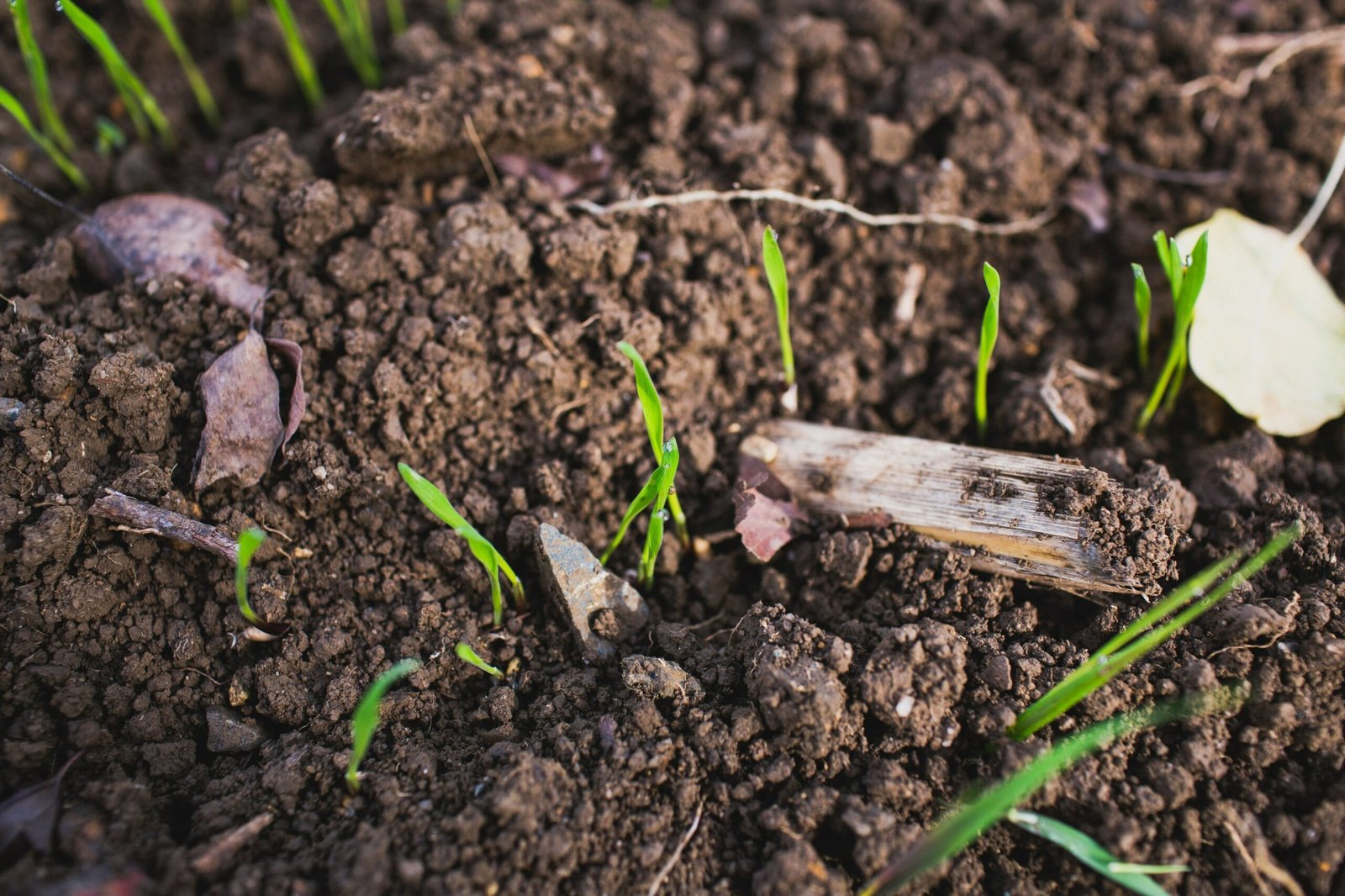
Unlocking Agricultural Innovation With Soil Microbes Soil microbes are crucial for the future of sustainable food production, as they enhance soil health, increase crop yields, and reduce the reliance on chemical fertilizers. These tiny organisms—bacteria, fungi, and others—break down organic matter, recycle nutrients, and make vital elements like nitrogen and phosphorus…

Raising Backyard Chickens for Eggs: Essential Tips for a Productive Flock
•
Raising backyard chickens for eggs is a practical way to enjoy fresh eggs while learning about animal care. Most folks swear their own hens’ eggs taste better, and it’s honestly a reliable, even comforting, source of food. Backyard chickens usually start laying eggs around six months old and, with a…
How Regenerative Gardening Can Increase Your Property Value
•
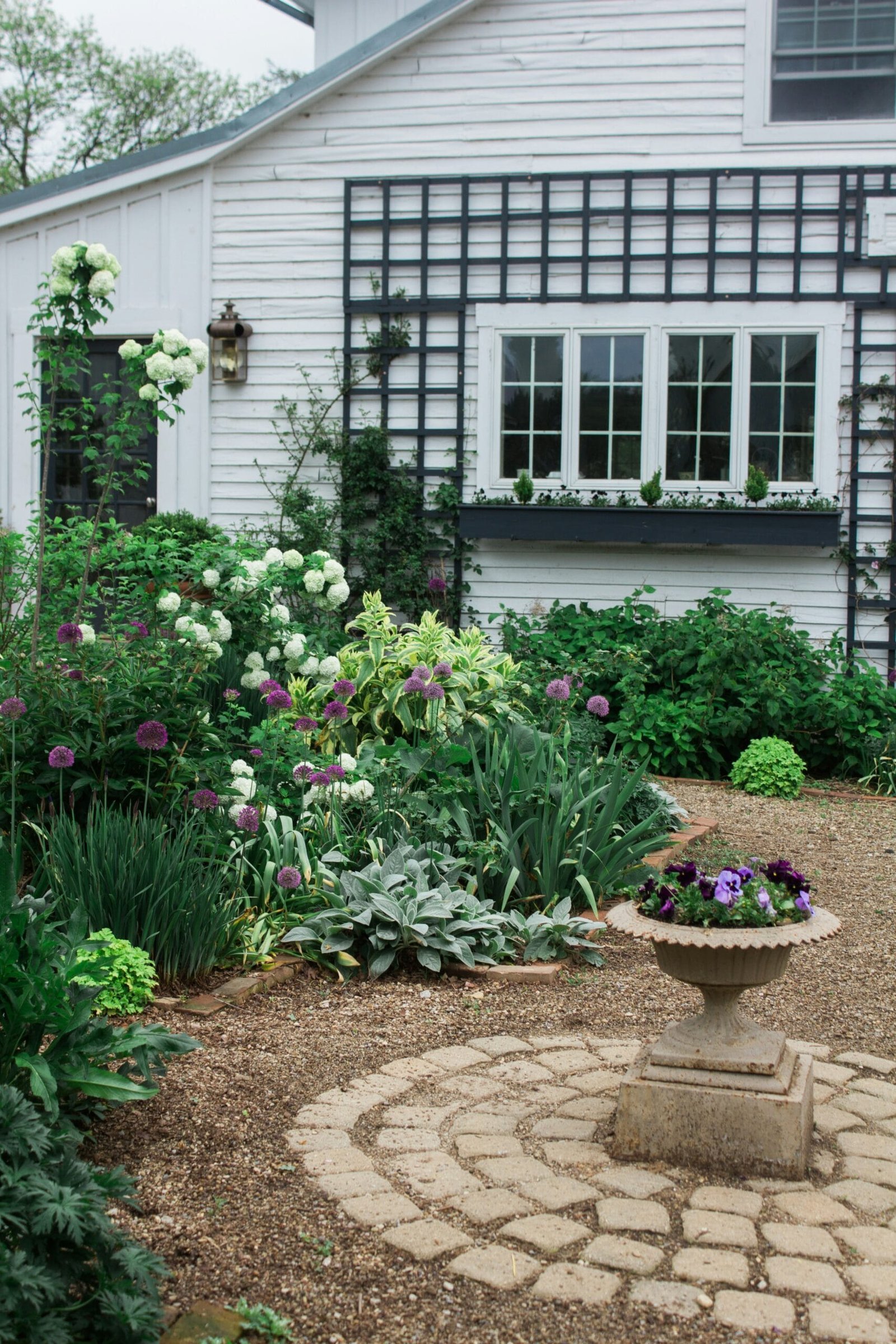
Practical Strategies to Increase Your Property Value for Homeowners Regenerative gardening is gaining popularity for its ability to enhance the environment and increase your property value. Adopting regenerative gardening can make a property more appealing, healthier, and potentially more valuable to buyers. Increasingly, homeowners are recognizing that thoughtful landscaping—such as…

Recycling Food Scraps With Bokashi Indoors
•
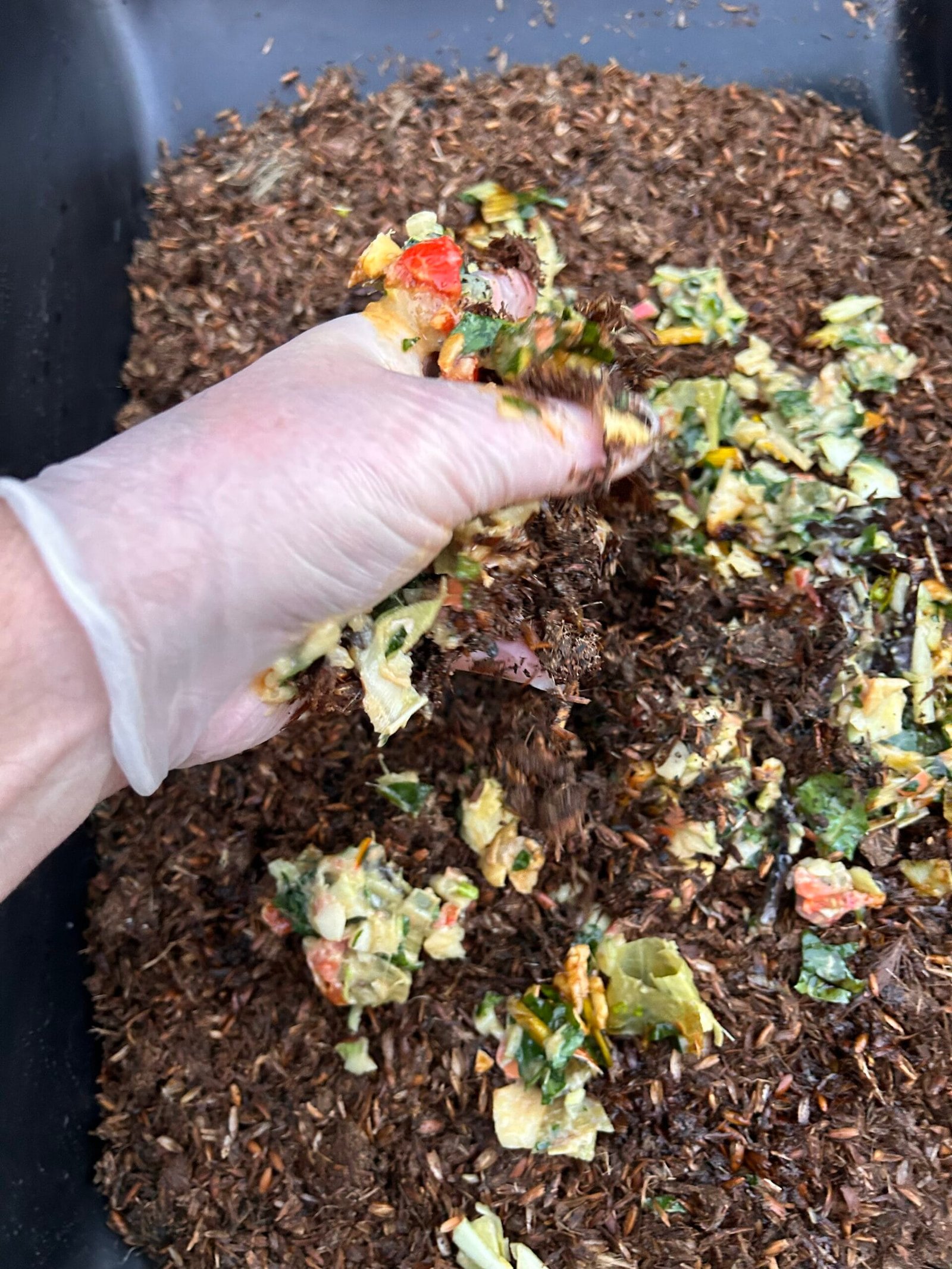
Odor-Free Recycling Method for Small Spaces If you live in an apartment or a house with barely any outdoor space, recycling food scraps can feel like a real headache. Tossing them in the trash feels wasteful, but classic composting? That’s just a recipe for smells and mess indoors. Bokashi offers…

Benefits of Raising Goats for Sustainable Farming and Income Generation
•
Raising goats offers numerous practical benefits to small farms and homesteads. They give milk, meat, and fiber, so you get a lot of bang for your buck—pretty handy for anyone wanting to boost their family’s food supply or make a bit of extra income. Since goats need less space and…

Starting a Regenerative Rooftop Garden
•
Taking Urban Gardening To The Next Level. Starting a rooftop regenerative garden in the city is a practical way to bring green space into urban living while supporting the environment. If you want a successful rooftop garden, you’ll need to check your rooftop’s strength and local regulations first—make sure it…

Tips For Indoor Gardens With A Regenerative Approach
•
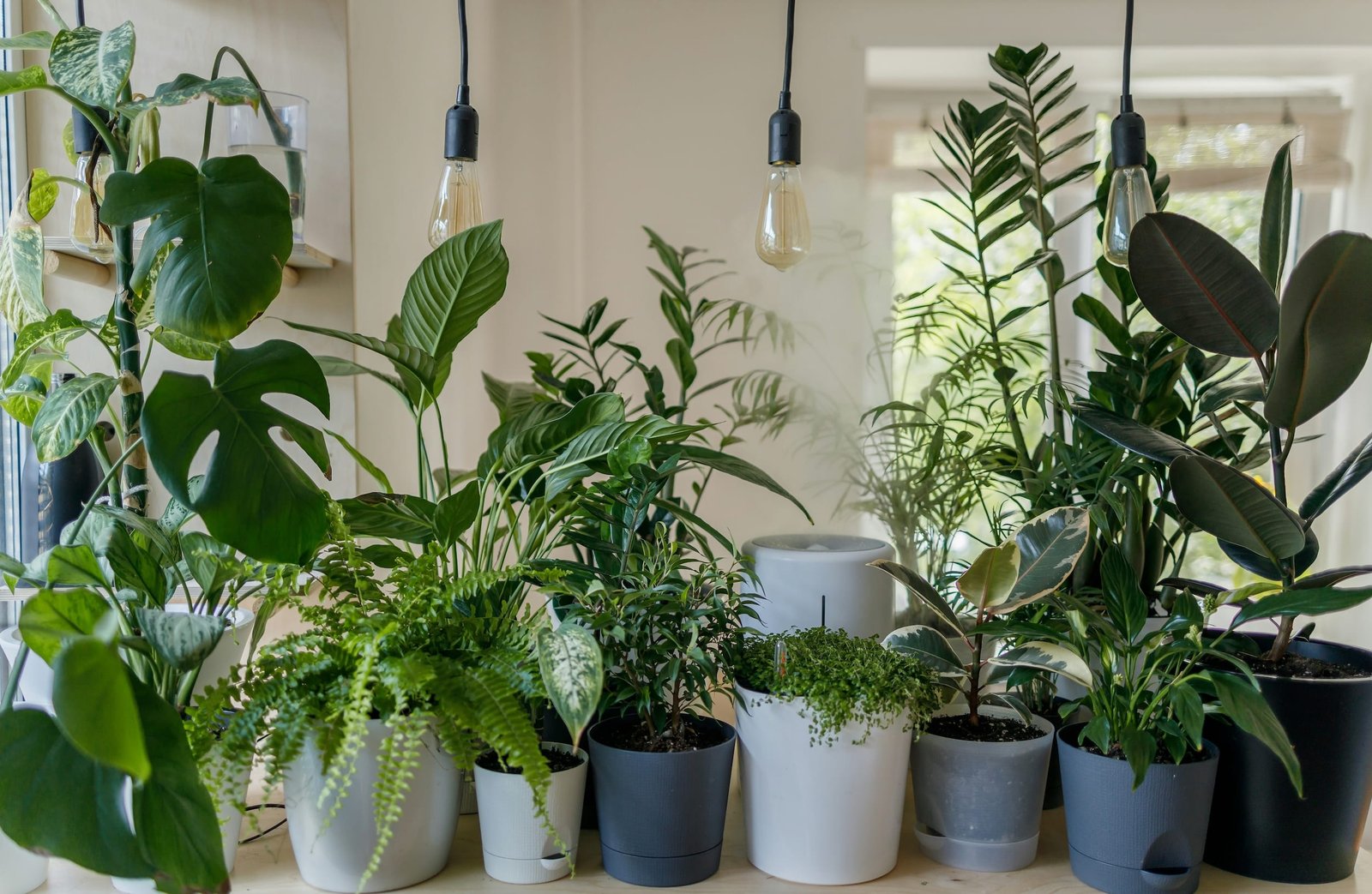
Yes! Simple Steps for Indoor Gardens Apartment gardening can evolve into regenerative gardening, making a tangible difference for both the environment and your living space. Even without a backyard or traditional garden, you can grow food, build soil, and support healthy ecosystems using indoor and balcony containers. With a few…

Raising Animals: Discover the Joys and Challenges
•
Sustainable Farming and Compassionate Care for Thriving Ecosystems Raising animals is a blend of hands-on care and sustainable farming, all aimed at maintaining both livestock and the land in optimal condition. The farm puts a great deal of thought into what each animal needs, while also keeping a close eye on…
5 Best Cover Crops to Enhance Your Soil Quality and Fertility (Part 1)
•
Selecting the best cover crops can improve soil structure, provide essential nutrients, and mitigate erosion. Cover crops play a crucial role in enhancing soil health and productivity. By incorporating these plants into agricultural practices, gardeners can create a thriving environment for their main crops while also benefiting the ecosystem. This…

Say Goodbye to Pests With Natural Pest Control
•
Natural Pest Control Solutions For Your Regenerative Garden Natural pest control keeps pests out of the garden without harsh chemicals. With regenerative gardening, you can create a balanced ecosystem that works in harmony with nature, rather than against it. These methods focus on building strong soil, planting a mix of…