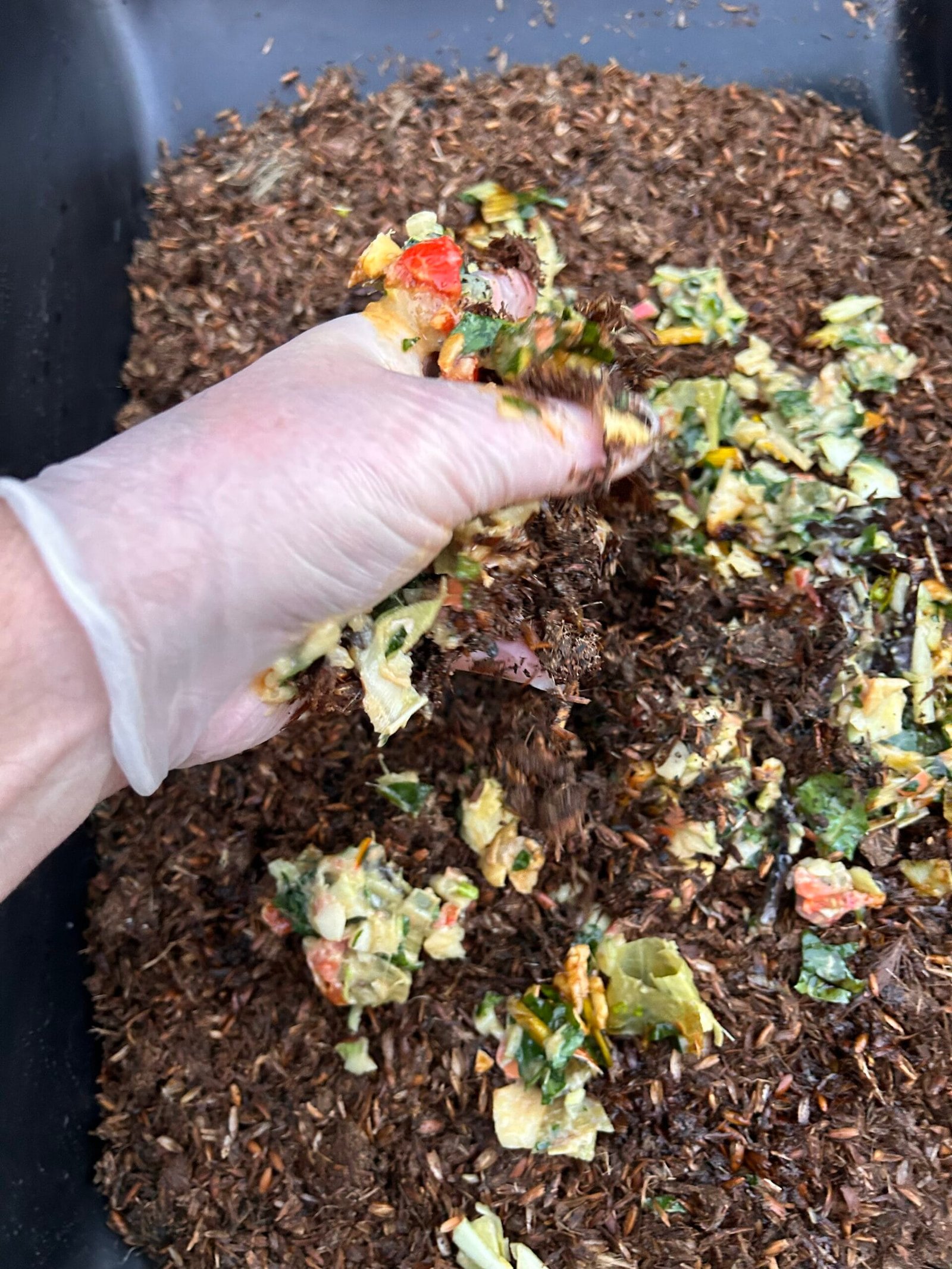
Odor-Free Recycling Method for Small Spaces
If you live in an apartment or a house with barely any outdoor space, recycling food scraps can feel like a real headache. Tossing them in the trash feels wasteful, but classic composting? That’s just a recipe for smells and mess indoors. Bokashi offers a simple, odorless way to recycle food scraps right inside your home by using a fermentation process in a sealed container—perfect for tight spaces.
With Bokashi, you add kitchen waste and other organic bits to a special bucket, then sprinkle in bokashi bran loaded with helpful microbes. This system breaks down scraps fast, keeps pests away, and, honestly, doesn’t stink up your place. The result? A material you can mix into your garden soil or stash on a balcony, feeding your plants without a ton of effort or space.
Key Takeaways
- Bokashi offers an easy and odor-free method for recycling food scraps indoors.
- The process utilizes microbes and a sealed container to break down organic waste rapidly.
- Finished compost enhances gardens and utilizes kitchen scraps, even in small spaces.
Understanding Bokashi For Recycling Food Scraps
The bokashi method provides an indoor composting option that utilizes airtight containers, special bran, and a team of effective microorganisms. This method works great for folks in small homes or apartments and turns most food scraps into soil nutrients, without the usual stink.
The Anaerobic Process
Bokashi operates through an anaerobic process, meaning no oxygen is required. You toss food scraps into a sealed bucket, cover them with bokashi bran, and keep the lid tight after each use to prevent air from entering.
As the food ferments, you don’t get that rotten smell. Instead, you get a kind of pickling process. “Bokashi tea”—the liquid that collects at the bottom, which needs to be drained every few days in a bucket with a strainer in the bottom, but not in one without one. Dilute the liquid, and it becomes a handy fertilizer for your plants.
Unlike standard composting, bokashi allows you to add items such as meat, dairy, and cooked foods. That’s a game-changer for city dwellers with limited space.
Science Behind Recycling Food Scraps With Bokashi
The real magic? It’s in the beneficial microbes you add with bokashi bran—lactic acid bacteria, yeasts, and phototrophic bacteria, mostly.
These little guys break down carbs and proteins in your scraps, making acids and other compounds that crowd out the bad bacteria. Their work prevents odors and facilitates the fermentation process, allowing it to proceed quickly.
During fermentation, food doesn’t fully decompose; instead, it becomes more like it gets pickled. When you’re done, those fermented scraps are ready to finish breaking down in the soil. Effective Microorganisms help boost soil health when buried. If you’re curious about the science, here’s more on bokashi and Effective Microbes.
Bokashi vs. Composting
Key Differences Table:
| Feature | Bokashi Method | Traditional Composting |
|---|---|---|
| Oxygen Needed | No, anaerobic | Yes, aerobic |
| Odors | Minimal if done correctly | Can be strong |
| Accepted Food Waste | Meat, dairy, cooked, veggie/fruit | Mostly veggie/fruit |
| Time to Process | 2 weeks fermentation + soil time | Several months |
| Space Needed | Small, can be used indoors | Needs more outdoor space |
Bokashi is a closed, contained process. Composting is open to the air and needs regular turning. Bokashi’s Effective Microorganisms do most of the work in a sealed bin.
Bokashi can ferment tougher food wastes that composters cannot handle. Also, its speed and small size make it easy to use in apartments without attracting pests.
Composting generates finished compost ready for garden use, while bokashi ferments scraps that you must mix with soil to fully break down..
Benefits of Recycling Food Scraps With Bokashi
Bokashi’s big wins? It keeps food waste out of landfills and lets you recycle kitchen scraps right at home. The airtight bin blocks pests and nasty smells, which is a huge deal in a small apartment.
The process is fast, taking just about two weeks for fermentation. You can toss in foods that most compost bins reject, like meat and cheese, making it more flexible for families looking to reduce waste.
The result is a pre-composted material packed with beneficial microbes. When you add it to soil, it quickly becomes a rich amendment, giving your plants a real boost. There’s a nice overview of the steps and perks at Bokashi 101: Everything you need to know to get started.
Starting Your Indoor Food Scrap Recycling Bokashi System
Getting started with bokashi food scrap recycling indoors is relatively straightforward if you’ve the right equipment, a decent inoculant, and a suitable location to store your bin. A little attention to setup goes a long way toward keeping things hassle-free and odorless, even in a tiny kitchen.
Choosing the Right Bokashi Bin
The bokashi bin (or bucket) design encourages fermentation of food scraps. They are for indoor use. Most have a tight-fitting lid and a spigot near the bottom for draining off that bokashi tea. That keeps smells locked in and makes it easy to collect the liquid for your plants.
Size matters—especially in apartments. A 5- to 6-gallon bucket typically suffices for a small household. Some bins are made with an inner strainer or grate that keeps scraps above the liquid. These are good for collecting the liquid that forms on the bottom. However, if you don’t want to collect the liquid several times a week, you can use a bucket with an airtight lid.
Protip: A gallon or 5-gallon bucket is perfect (depending on how many people are in your home). Get a paint lid and use it as a cover. These very flexible lids are available at most hardware or paint stores and can be reused several times, keeping the buckets airtight.
Features to look for:
- Air-tight seal for good fermentation
- Built-in drainage for bokashi tea
- Sturdy handles for carrying and emptying
A solid bin makes the whole process a lot easier and keeps things smell-free for anyone starting out indoors.
Selecting Bokashi Bran or Mix
Bokashi bran or mix is the secret sauce here. It’s full of beneficial microbes that ferment a wide range of food scraps—even stuff like meat and dairy that you’d never put in a regular compost pile.
Bokashi bran is usually wheat or rice bran that has been inoculated with microbes. It should have a slightly sweet, almost molasses smell. Cheap or poorly made bran doesn’t work as well. Some folks buy commercial bran; others make their own, but you’ve got to make sure it’s properly inoculated.
Here’s what works best:
- Add a handful of bran every time you put new food in the bin
- Spread it evenly so all scraps get covered
- Store unused bran in a cool, dry place to keep the microbes alive
If you’re looking for a step-by-step routine, check out this guide on using bokashi for food waste. The trick is layering food scraps and bran tightly every time.
Setting Up in Small Spaces
Bokashi food waste recycling is tailor-made for small kitchens, apartments, or shared spaces. Bokashi Bins were originally designed in Japan, where they tend to have smaller living spaces than here in the United States. The sealed bucket keeps odors contained, so you can stash it under the sink, in a cupboard, or even in a pantry and forget about it.
Some tips for setup:
- Pick a spot that’s out of the way.
- Make sure it’s easy to reach for daily use
- Keep a scoop or measuring cup nearby for quick bran additions
Even in a tiny home or a city apartment, you can easily recycle food scraps. The system keeps things tidy and, honestly, you might forget it’s even there.
How Recycling Food Scraps With the Bokashi Fermentation Process Works
Bokashi uses a unique fermentation process to recycle kitchen scraps and other organic waste indoors. You can keep things clean and practical, even in a compact living space.
Layering Kitchen Scraps and Bokashi Mix
Start by collecting kitchen scraps, such as fruit peels, vegetable trimmings, bread, and a small amount of cooked food. Big bones or large meat pieces? Probably skip those.
Toss scraps into your Bokashi bucket. After each layer of food waste, sprinkle a layer of Bokashi mix on top. The mix, usually made from rice bran and packed with effective microbes, covers everything. If you’re not sure how much, make sure you can’t see the scraps underneath.
Keep repeating that layering step daily or whenever you add food, until the bucket is full. Consistent layering prevents odors and allows microbes to do their job. Chopping scraps into smaller pieces helps the fermentation along, but don’t stress if you forget sometimes.
All in all, recycling food scraps with bokashi brings a practical, surprisingly low-maintenance way to keep your food scraps out of the landfill—even if you’re in a tiny apartment. It’s not flawless, but for most folks, it’s a huge step up from tossing scraps in the trash or wrestling with a smelly compost pile indoors. Try it out—you’ll be amazed at how simple and rewarding it is to transform kitchen waste into nutrient-rich compost your plants will thrive on.
In Urban Areas:
- The fermented food waste can be used in potted plants
- The liquid can be used as a liquid fertilizer for plants
- The fermented food scraps can be brought to a local drop-off location, community garden, or similar facility.
The Role of Fermentation
The bokashi method accomplishes this by fermenting kitchen scraps, rather than allowing them to decompose. Unlike composting, which relies on oxygen and aerobic breakdown, Bokashi relies on specific microbes to ferment organic waste. This turns your leftovers into “pre-compost” and a strong, sometimes smelly, liquid fertilizer.
Fermentation’s a lot more controlled than rotting, and it helps keep smells in check. Instead of clouds of gas, the microbes quietly ferment your scraps, so you don’t get that rotten garbage stink. The liquid that comes out, sometimes called “bokashi tea,” can be collected and, once you dilute it, used as plant food.
This process breaks down a wider range of kitchen waste, including dairy products, which regular composting can’t handle. If you use these fermented scraps as soil amendment, you’ll boost your garden’s nutrients and support soil microbes. If you’re curious about how Bokashi fermenting works indoors, there’s plenty to dig into.
Creating an Anaerobic Environment For Proper Food Scrap Recycling
Bokashi is an anaerobic process, so you’ve got to keep that bucket sealed tight—no oxygen allowed. An airtight lid is a must.
When there’s no oxygen, the right microorganisms from the Bokashi mix can get to work. They ferment your kitchen scraps, breaking down carbs and proteins without the usual stink you’d expect from a compost pile.
Once the bucket’s packed full, just let it sit for about two weeks. During this time, the scraps ferment away in their oxygen-free home. It’s pretty fast and tidy, so you can compost indoors without much fuss or odor—Love Food Hate Waste NZ explains this well.
Keeping the lid tight and draining off the liquid periodically helps maintain a low-oxygen environment. That’s what really lets the microbes do their thing.
Managing Food Scraps and Organic Materials
To make the Bokashi Method work at home, it’s all about selecting the right kitchen waste and following a few simple guidelines. Some foods are easier to prepare than others, and knowing what to include (and what to skip) will keep things running smoothly and without unpleasant smells.
Foods Suitable for Bokashi Food Scrap Recycling
Bokashi’s pretty flexible—almost all food waste is fair game. Unlike compost, the Bokashi Method can handle a broader range of materials, including fruit, vegetables, cooked food, dairy products, small bones, and even meat. Rice, pasta, bread, and citrus peels? No problem.
This makes bokashi food scrap recycling a solid choice for anyone trying to reduce food waste, especially if your kitchen scraps are a mix of different types. If you chop larger pieces into smaller ones, everything ferments faster and more evenly.
Coffee grounds and tea bags are fine in small doses. However, if you attempt to add too much liquid, this can cause problems with the fermentation.
For a full list, check out these guides for bokashi food scrap recycling
Dealing With Egg Shells and Pet Waste
Crushed eggshells can be used in the Bokashi bin. They break down faster that way and add calcium to your future soil. Don’t expect them to disappear completely, though—you’ll probably see bits left after fermentation.
Pet waste? That’s a no-go for most Bokashi setups. Cat and dog droppings can contain pathogens that should be avoided in bins intended for growing vegetables. However, if you keep separate bins for pet waste to grow flowers, you can use the bokashi system for that!
What Not to Add
Some items do not belong in a Bokashi bin. Large bones, too much liquid, paper, or plastic can cause issues. Moldy or spoiled food is also risky, as bacteria and mold can hijack the process.
Keep pet waste out, as mentioned. Tough seafood shells and greasy, oily foods aren’t great either—they don’t break down. Stick to safe kitchen waste and follow these bokashi tips for a clean, low-odor setup at home.
Harvesting Bokashi Products
Bokashi food scrap recycling leaves you with two main things: a liquid (bokashi juice) and a solid pre-compost. Both have real uses in home gardening and plant care. If you manage them right, the whole process stays tidy and straightforward.
Collecting Bokashi Juice or Leachate
As your scraps ferment, they let off a concentrated, acidic liquid—bokashi juice or leachate. It’s full of live microbes and nutrients, but it’s strong stuff.
Drain the juice from the spigot every other day or two. Always dilute it before you water plants—a tablespoon per liter of water is a safe bet. Straight bokashi juice can burn roots, so be sure not to skip this step.
You can pour diluted juice around outdoor plants to give them a boost. It even works for cleaning drains, since the microbes break down gunk and help with odors. Just don’t try to store bokashi juice for long—it spoils fast, so use it within a day or two.
Quick reference for bokashi juice:
| Task | Frequency |
|---|---|
| Drain bokashi juice | Every 2-3 days |
| Dilute for watering plants | As needed |
| Pour in drains/toilets | Monthly |
There’s a beginner-friendly guide to collecting and using bokashi juice here.
Recycling Food Scraps: From Bin to Soil Amendment
After two weeks of fermentation, you’ll have bokashi pre-compost. It pretty much looks like pickled food waste—soft, maybe a bit vinegary.
To use it, bury it in your garden soil or mix it with soil. Dig at least 12 inches deep to keep animals out and aid in the breakdown. Don’t plant directly into it right away; give it two weeks to transform into living, organic matter fully.
Don’t use fermented food scraps by themselves. Let it finish breaking down in the soil before planting nearby. Woody plants, in particular, need to wait until they’re fully decomposed.
Some quick tips for recycling food scraps:
- Keep the bin closed tight until you’re ready.
- Mix it well into the soil for faster results.
- Look for a white fungal layer—it’s a good sign.
For more on layering and mixing, check this step-by-step bokashi guide.
Nutrient-Rich Soil Benefits
Once the pre-compost breaks down, your soil receives a significant nutrient boost—nitrogen, phosphorus, potassium, and more. Plants love it.
The beneficial bacteria and fungi from bokashi help the soil retain water and make nutrients more accessible to roots. Whether you’ve got veggies, houseplants, or a patch of lawn, they all benefit from better soil health.
Bokashi soil amendment, once it’s fully decomposed, is safe for most plants. It won’t attract pests or smell up your place, making it great for small homes or apartments. Finished composted soil is dark, crumbly, and smells earthy—honestly, it’s pretty satisfying.
People usually notice stronger plants and fewer soil headaches when they use bokashi soil amendments. If you’re short on space or time, it’s a surprisingly practical way to compost.
Troubleshooting and Maintaining an Odor-Free Food Scrap Recycling System
It’s entirely possible to keep a bokashi food scrap recycling system indoors without unpleasant odors, as long as you pay attention. A little maintenance and quick fixes go a long way, especially if you’re working in a small space.
Preventing Common Smells
If your bin starts to smell, it probably means air’s sneaking in or you’re skimping on bokashi bran. Ensure the lid is sealed tightly to prevent anaerobic conditions. That’s what stops the rot and keeps the pickled smell instead of something worse.
Don’t be shy with the bokashi bran. If you notice a sour or sharp smell, sprinkle on more bran. Also, drain off the bokashi tea every few days, or it’ll start to stink.
Skip adding liquids, moldy foods, or too much citrus—they throw off the balance. Check the bin regularly and act promptly if anything appears to be off. Here’s more on creating a no-smell bokashi system indoors.
Dealing With Mold or Fungi
White fungi in your bokashi bin? That’s usually good news—it means fermentation’s working. However, if you see blue or green mold, something is wrong.
The difference matters: Good mold looks like white, thread-like fuzz. Bad mold is blue or green and fuzzy. Bad mold means air probably got in, or perhaps you left scraps out too long before adding them.
If you do find blue or green mold, scoop it out and add more bran. If the rest of the bin smells okay and looks right, it’s probably still usable. For more information on handling mold, refer to this troubleshooting guide.
So, is bokashi worth it? If you want to compost more variety, keep things tidy indoors, and maybe even geek out a bit on microbes—it’s honestly a smart, low-fuss way to recycle your kitchen scraps. Sure, there’s a little learning curve, but once you get the hang of it, you’ll be surprised how easy and clean it can be. Give it a shot—your plants (and maybe your conscience) will thank you.
Bokashi Food Scrap Recycling Troubleshooting Tips
Staying on top of things helps sidestep most bokashi headaches. Here’s a quick list for bokashi troubleshooting that I keep handy:
- Seal the lid tightly every time.
- Add enough bokashi bran over each new layer of scraps.
- Drain bokashi tea every two to three days.
- Store the bin in a cool place.
- Check for off smells, and toss in more bran if needed.
If you notice a strong or funky smell instead of that signature pickled scent, add more bran right away. Don’t leave the bucket open for long, and stick to fresh scraps.
When in doubt, add extra bran or start a new batch if things seem off. Habits make a huge difference—good ones keep your kitchen fresh and the whole system running smoothly. For more ideas, check out these practical suggestions for managing bokashi smells.
Integrating Recycling Food Scraps With Bokashi Into Your Gardening Routine
Bokashi food scrap recycling produces a nutrient-rich product that’s easy to use both indoors and outdoors. It gives gardeners flexibility and helps reduce food waste, which feels pretty good.
Using Bokashi Food Scraps Outdoors
Once the bokashi bin has completed its anaerobic fermentation, the fermented material is ready for use in the garden. Most folks dig a shallow trench, toss in the bokashi pre-compost, and cover it up.
The microbes from the bokashi process work fast once you mix the material into the soil. As the compost breaks down, it boosts soil microbes and feeds your plants. Even if you garden in containers, you can add a little bokashi mix to pots or raised beds—give it a few weeks to settle in.
Sealing the bin tightly and pressing down scraps really helps keep odors at bay. But don’t bury pre-compost right up against tender roots; it’s still acidic and can be rough on young plants. For a more detailed how-to, this bokashi guide covers outdoor use and containers.
Combining Food Scrap Recycling With Vermicomposting or Worm Farms
Many gardeners pair bokashi with vermicomposting or worm farms to enhance soil health. After bokashi fermentation, you can add small amounts of the material to a worm bin. Worms love the soft, pre-digested scraps and turn them into rich vermicompost and worm castings.
Since bokashi scraps are acidic, mix them in at a 1:4 ratio (1 bokashi scrap: 4 worm bedding) so the worms can adjust. That way, you won’t harm your worm colony. Combining bokashi and worms speeds up the process and produces a well-balanced, finished compost.
Over time, both the beneficial microbes and composting worms thrive, resulting in healthier plants and reduced kitchen waste. This combo is especially handy for city gardeners or anyone short on outdoor space. Want a step-by-step?
Eco-Friendly and Sustainable Living Benefits of Recycling Food Scraps with Bokashi
Using bokashi to recycle food scraps is just a solid move for the planet. Instead of tossing kitchen waste in the trash, you’re turning it into something your plants will love—and you cut down on landfill and greenhouse gases in the process.
Bokashi bins stay tidy and pretty much odor-free, so they work well in apartments or anywhere you can’t have a big outdoor compost pile. Beneficial microbes handle the breakdown quietly, without any of the gross smells people sometimes worry about.
Table: Eco-Friendly Benefits of Indoor Bokashi Food Scrap Recycling
| Benefit | Description |
|---|---|
| Reduces landfill waste | Food scraps become soil, not trash |
| Creates no-smell composting | Anaerobic process controls odors |
| Recycles nutrients | Returns nutrients to plants and garden soil |
| Supports green living | Makes composting practical in small spaces |
Comparing Bokashi and Other Composting Methods
Bokashi food scrap recycling stands out from other methods. Unlike traditional piles, you don’t need to turn them or even have outdoor space. The process is anaerobic, so it works inside a sealed bin—no airflow required.
Here’s a quick comparison:
| Method | Requires Oxygen? | Speed | Suitable for Indoors? | Handles Meat/Dairy? | Produces Compost Tea? |
|---|---|---|---|---|---|
| Bokashi | No | Fast | Yes | Yes | Yes |
| Vermicompost | Yes | Medium | Yes | No | Sometimes |
| Traditional | Yes | Slow | No | No | No |
Bokashi can handle a wider range of scraps, including meat and dairy, which most worm bins or outdoor compost piles cannot accommodate. Additionally, you receive a bonus: liquid fertilizer, also known as compost tea, which can be diluted for use as a plant watering solution. To see more differences, consider this step-by-step indoor composting guide.
Frequently Asked Questions
Bokashi makes recycling kitchen scraps indoors way easier, especially for folks with limited space. It breaks down scraps quickly, runs quietly, and doesn’t stink up the place—assuming you keep up with the basics.
How can I maintain an odor-free environment when using bokashi food scrap recycling indoors?
Keep the Bokashi bin airtight. After adding scraps, press them down to push out air and sprinkle Bokashi bran over each layer. Drain the liquid (“Bokashi tea”) every few days. Stay on top of sealing and draining, and you’ll avoid most odor problems.
Are there any particular materials that should be excluded from bokashi bins?
Skip liquid oils, big bones, or anything non-organic—no plastic, metal, or glass. Most food scraps are fine, including dairy and cooked food, but large or hard bones won’t break down much. Don’t add paper, cardboard, or pet waste either. Curious about the full list? The RHS guide on food waste has more info.
What are the key benefits of using bokashi food scrap recycling in small spaces?
Bokashi bins are compact and can be stored under a sink or in a cupboard. There’s no need for much space or regular turning. The process is mostly odorless and doesn’t attract pests. The nutrient-rich liquid you obtain can be used to feed your plants or even clean your drains, as mentioned in this Bokashi Living FAQ.
How does bokashi food scrap recycling compare to traditional composting methods?
Traditional composting needs air, turning, and outdoor space. It’s slower, and you can’t add dairy, meat, or oily foods. Bokashi ferments food quickly in a sealed bin and takes a broader range of scraps. It’s a great option for apartments or anyone without a yard, as explained in this urban Bokashi guide.
What is the typical timeline for bokashi food scrap recycling to produce usable soil amendments?
Fermentation in the bin takes about 2 weeks. After that, the “pre-compost” can be buried or added to a regular compost pile to complete the breakdown process. Typically, you can expect usable soil amendments in a few weeks to a couple of months, depending on the conditions.
Honestly, bokashi food scrap recycling isn’t magic, but it’s pretty close for anyone wanting less waste and healthier plants, especially if you’re tight on space. With a bit of practice, it becomes second nature—and your garden (or even your houseplants) will thank you.
Can bokashi food scrap recycling be scaled up for larger households or community settings?
Absolutely—if you’ve got more scraps, just run several Bokashi bins at once. For bigger loads, some folks set up a rotating system of bins, swapping them out as they fill up. Community groups or large households often team up and use multiple bins together, trying to stay ahead of the daily pile of waste. If you’re curious, this lays out the process. Honestly, scaling Bokashi isn’t rocket science, but it does take a bit of coordination and commitment from everyone involved. If you are in New York City, several community gardens recycle tons of food scraps each year using this method.
Leave a Reply
You must be logged in to post a comment.