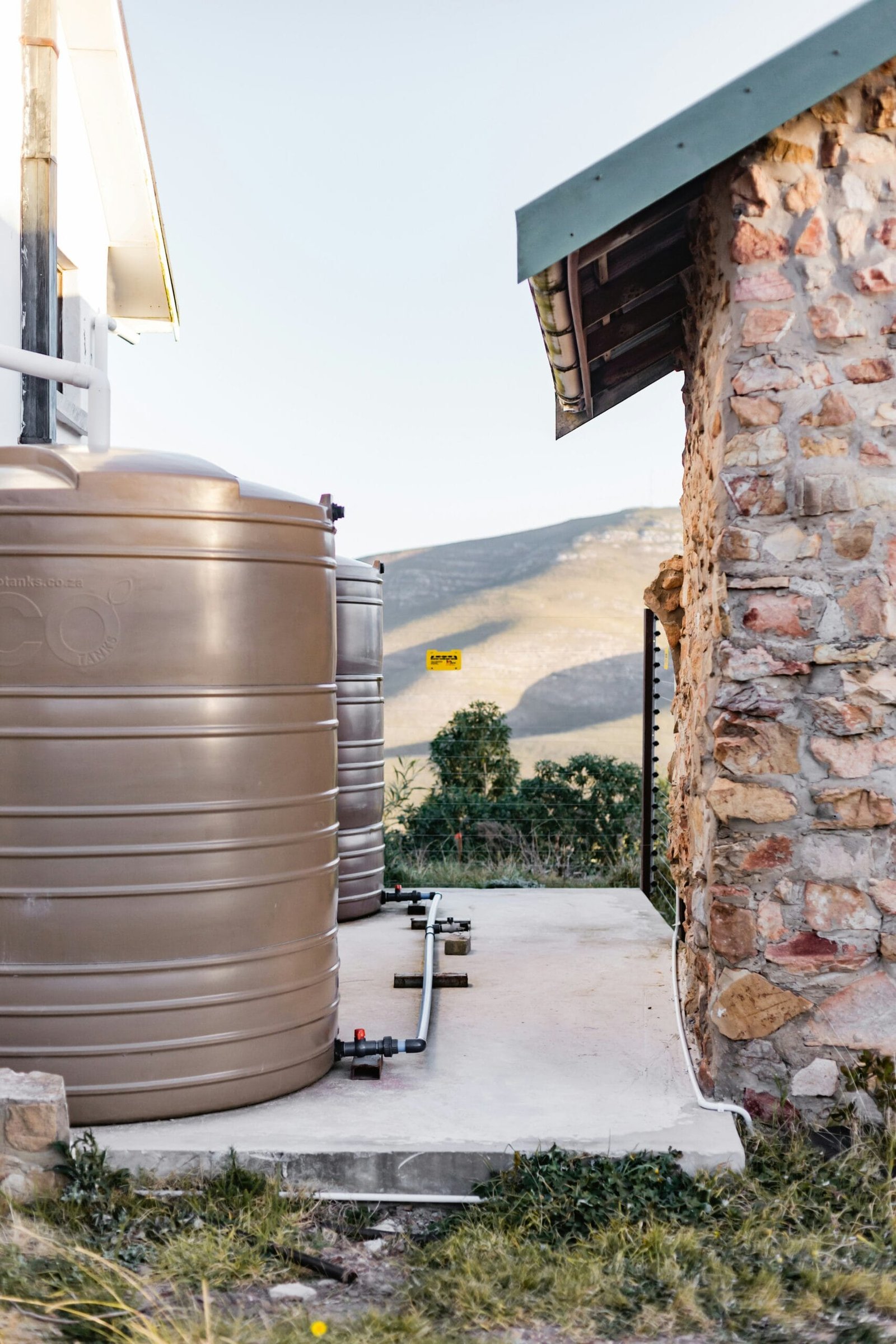
A Complete Guide For Clean Rainwater Harvesting
A clean rainwater collection tank lets families store water safely, dodge health risks, and get more out of their water systems. If you want to keep rainwater clean naturally, the simplest way is to use straightforward, safe techniques—think regular cleaning, filters at the inlets, and letting nature lend a hand. Block contaminants before they even get into the tank, lean on sunlight protection, and use natural filtering materials so you can count on fresh water for your garden or maybe even for around the house.
Natural methods skip harsh chemicals, so they’re gentler on the environment and people alike. This guide covers practical steps—screens, tight lids, routine inspections—that keep tanks clean with surprisingly little hassle. Honestly, maintaining a healthy rainwater tank isn’t as hard as you might think, and it’s crucial for long-term water quality.
Key Takeaways
- Stop dirt and debris before they enter the tank
- Rely on natural filtering and disinfecting for safer water
- Stay on top of maintenance and checks for the best results
Understanding Rainwater Collection Tanks
Rainwater harvesting lets people collect water straight from their roof and stash it for later. If you pick the right storage tank and understand how the system works, you’ll keep your water cleaner and make the most of every rainfall.
How Rainwater Collection Systems Work So You Can Clean Your Rainwater Tank
A rainwater harvesting system starts with a roof—rain hits, flows through gutters, and drops down the downspouts. Before it ever gets to the tank, it usually passes through a first-flush diverter and a mesh filter. These knock out big stuff like leaves and dirt, so your stored water stays cleaner and there’s less gunk settling at the bottom.
Rain barrels or bigger tanks hold the water until you need it—watering plants, washing, or even for the house if you treat it right. Most setups have an outlet with a faucet or hose for easy access. If you keep every part of the system clean and in good shape, your water quality will thank you. Want a step-by-step breakdown? Check out this guide on rainwater collection systems.
Types of Storage Tanks
You’ve got a few main choices for rainwater storage tanks. Here’s a quick rundown:
| Tank Type | Main Features | Best For |
|---|---|---|
| Polyethylene | Lightweight, easy to move, UV-stable | Homes, gardens |
| Steel | Strong, handles weather pretty well | Large-scale storage |
| Concrete | Super durable, lasts forever (almost) | Permanent installations |
| Fiberglass | Corrosion-resistant, light but tough | All sorts of uses |
| Rain Barrels | Small, easy setup, affordable | Yards and small gardens |
Rain barrels work great for smaller gardens, while big tanks are better for larger homes or even farms. The tank you pick affects how fresh the water stays and how much work you’ll put into cleaning. Opaque or UV-resistant materials help keep algae from taking over, so your water stays fresher. Covered inlets and solid lids keep critters and debris out, and that’s always a plus.
Rainwater Harvesting Benefits
Rainwater harvesting reduces the need for city or well water for outdoor tasks. It’s a smart way to water gardens, wash cars, or have an emergency stash if things go sideways.
Using rainwater also shrinks your water bill and reduces stormwater runoff, which helps with soil erosion and local flooding. Folks with a catchment system don’t have to stress as much about water restrictions during dry spells.
Storing clean water in a safe tank slashes most risks from bugs or contaminants. If you’re planning to drink it, you’ll still need to filter and disinfect. This whole practice boosts self-sufficiency and helps the environment by conserving local water supplies. For the main dos and don’ts, check out safe rainwater harvesting.
Factors Affecting the Cleanliness of Collected Rainwater
Collected rainwater isn’t as pure as it looks. Its cleanliness depends on where it lands, how you store it, and how you manage the system over time.
Environmental Contaminants
Rain picks up dust, pollen, and pollutants as it falls or when it hits rooftops and gutters. Bird droppings, dead leaves, and even bug bits can get swept into the system, causing organic material to pile up. That stuff quickly drags down water quality and makes cleaning a headache.
Chemicals like pesticides and air pollution sometimes wash into the tank, especially if your collection surface is near busy roads or treated lawns. If you regularly clean the gutters and use a first-flush device, you’ll keep the dirtiest runoff out. Fine mesh screens at the inlets help block bigger debris and bugs before they get to the tank.
Covering and sealing the tank keeps out animals, dust, and other unwanted debris. If you plan to drink or bathe in the water, you really should test it for bacteria and chemicals. For advice on water testing and treatment, check the CDC’s Collecting Rainwater and Your Health overview.
Algae Growth and Sunlight Exposure
Algae love sunlight, especially if there’s decaying plant matter for food. Tanks that aren’t opaque or sit out in the sun are begging for algae. Once it gets going, algae turns water green or cloudy, stinks up the tank, and clogs up pipes and filters.
To fight this, use dark paint or opaque materials for your tanks. Fit the lids tightly to block sunlight and keep spores out. If you can, put the tank in a shady spot to keep the water cooler—algae don’t like that.
Physical barriers like mesh screens and first-flush diverters stop organic debris from getting in, so there’s less for algae to eat. Scrubbing out the tank and removing sediment every so often helps, too. Want more tips? Take a look at climatebiz.com.
Clean Your Rainwater Tank By Preventing Contamination at the Source
Most contamination sneaks in before water even gets to your tank. If you keep every part of the collection system clean and in good shape, you’ll stop dirt, leaves, and bacteria before they ever become a hassle.
Proper Roof and Catchment Maintenance
The roof is where it all starts, so keep it as clean as you can. Dirt, bird droppings, and leaves pile up fast, especially after storms or dry spells. The more junk on the roof, the more likely it’ll end up in your tank.
Give the roof a sweep or rinse every so often. Avoid roofing that could leach nasty stuff into your water—old lead flashing, treated wood, tar, you get the idea. Trim back branches so less plant matter ends up there. At least twice a year, check for mold, algae, or animal nests.
Quick checklist for roof care:
- Trim back branches and overgrowth
- Sweep or rinse after dry stretches
- Look for cracks or problem roofing materials
- Clear out nests and moss
Gutters and Downspouts Cleaning
Gutters and downspouts shuttle water from the roof to the tank, but they’re magnets for debris. Leaves, twigs, and bird droppings collect all the time—especially in fall or after a big wind. If you let that stuff sit, it’ll decompose and send bacteria or dirt right into the tank.
Most homes can get by with cleaning gutters and downspouts every three months. If trees surround you, check them monthly. Use a gutter scoop or brush, and blast out the downspouts with a hose.
Gutter guards or fine-mesh screens block big debris before it clogs up the works. Make sure the screens are clean and locked down tight. Look for leaks in the gutters or downspouts so water doesn’t pool near your foundation or mix with runoff. For a step-by-step, these gutter maintenance tips for rainwater harvesting systems are pretty handy.
Installing First Flush Diverters
If you’re serious about rainwater collection, you’ve gotta have a first flush diverter. It sends the first wave of rainwater—the dirtiest stuff with all the dust and gunk—away from your tank. Only cleaner water makes it in.
Install the diverter on the main downpipe, just before the tank. Pick a size that matches your roof and local rainfall. Clean the diverter now and then to keep it working. Check for cracks, leaks, or clogs every few months.
Here’s a table to show the perks:
| Feature | Benefit |
|---|---|
| Redirects first rainflow | Keeps out debris and pollutants |
| Low maintenance | Saves time on cleaning later |
| Simple to install | Boosts water quality |
A first flush diverter keeps most of the obvious (and not-so-obvious) dirt out of your tank. For more, check out Modern Day Prepping’s guide.
Essential Filtration Methods for Naturally Clean Water
Keeping rainwater clean starts with solid filtration at every step. Each method targets different contaminants—leaves, dirt, chemicals—so you end up with safer water for washing, gardening, or even drinking if you disinfect it.
Bottom line? Clean rainwater collection isn’t rocket science, but it does take a bit of care and attention. If you stay on top of basic maintenance and use natural methods, you’ll get fresher, safer water with minimal effort. And hey, knowing you’re doing something good for your family and the planet? That’s a win in my book.
Using Mesh Screens and Pre-Tank Filters
Mesh screens catch bigger stuff—leaves, bugs, twigs—before it ever gets into your tank. They’re dead simple to set up, usually just going over gutters or wherever the water flows in. If you can, go for stainless steel or a good plastic mesh; they don’t rust and last way longer than the cheap stuff.
Pre-tank filters come in a couple of styles, like first-flush diverters or basket inserts. First-flush diverters kick out the first, dirtiest bit of rainwater so it doesn’t end up in your storage. That’s a big deal for keeping the rest of your system from getting gunked up right from the start.
It’s honestly worth checking these filters and screens every week—especially after a crazy storm. If you keep up with cleaning, you’ll notice your tank stays a lot clearer. There’s a bunch more on natural filter options and collection here.
Sediment Filters and Sand Filters To Clean Your Rainwater Tank
Sediment filters go after the fine stuff that sneaks past mesh screens—think dust, pollen, tiny flecks of soil. Most use cartridges or layers of different materials, starting coarse and getting finer, so each layer grabs a bit more.
Sand filters are about as old-school and natural as it gets. They’re cheap, easy to build, and they do a solid job clearing up cloudy water. Just layer washed gravel, coarse sand, then fine sand in a sealed container. Water trickles through, leaving all the muck behind in the sand.
Don’t forget to swap out cartridges when the manufacturer says. With sand filters, scrape off that top layer when water starts to slow down. If you want a deeper dive into sand filtration, there’s a practical guide that’s pretty helpful.
Clean Your Rainwater Tank With Activated Carbon Filters
Activated carbon filters use charcoal that’s loaded with tiny pores. This makes a ton of surface area—perfect for soaking up chemicals, pesticides, and those funky odors rainwater can pick up. If you care about taste and smell, you’ll want one of these. They’re everywhere, from home setups to backpacking kits.
Water runs through the carbon, and it grabs onto organic gunk and chlorine-type stuff. But don’t get your hopes up—these filters can’t kill bacteria or viruses, so you’ll need another step for that.
Swap out carbon filters when they’re spent, or you’ll just be running water through a useless lump. When you keep them fresh, they give your water a nice finishing touch. There’s a solid resource on DIY carbon filters here.
Natural Disinfection and Sterilization Techniques To Clean Your Rainwater Tank
If you want to keep your rainwater tank clean without dumping in chemicals, you’ve got a couple of good options. Light-based sterilization and pH control are two of the best bets for safer water, at least in my book.
UV Sterilization
UV sterilization is a proven way to kill bacteria, viruses, and algae in water. This water treatment method uses a special UV filter, which is often a tube or lamp installed in the water system. As water passes through, the UV light attacks the DNA of microbes, stopping them from growing and making the water cleaner.
UV filters don’t mess with the water’s taste, and you won’t have to worry about chemicals. Just remember to clean them and swap the lamp about once a year. If you’ve got a small tank, solar-powered UV gadgets can work—no need to wire up anything fancy. People who use rainwater for drinking or cooking should look into UV treatment; it’s a solid way to cut down on the risk of nasty stuff in your water. There’s more on how these systems work in this article.
Key advantages:
- No added chemicals
- Acts quickly
- Low maintenance
- Works with other filter types
Ozone Is Another Natural Way To Clean Your Rainwater Tank
Ozone can kill bacteria and viruses. It is an unstable molecule of 3 oxygens held together loosely. 2 oxygens stay together in everyday situations. Think 2O in H2O! When that 3rd oxygen leaves the molecule, it creates a mini “explosion” that kills microscopic life nearby. And, there is an added benefit: when this reaction occurs in water, it adds oxygen to the water.
An ozone generator for a 3,000-gallon tank is roughly the size of a lunchbox and runs on electricity. It can be piped in a line with a circulation pump. Both units can be connected to a timer to run for a few hours once or twice per week. This will give enough time for the ozone to kill what is in the water and dissipate.
An ozone unit will keep your water clean, fresh, and safe to drink as long as it is set up.
Maintaining Optimal Water pH Helps Clean Your Rainwater Tank
Getting your water’s pH right helps natural disinfection work better. Rainwater usually lands a bit on the acidic side—under 7 pH. If it drops too low, you might taste it, and your tank’s metal bits could start rusting. Nobody wants that.
Test your water with pH strips or a cheap digital meter. Most folks agree that 6.5 to 8.0 is the sweet spot. If your pH is too low, toss in some food-grade lime or crushed marble chips. Skip the harsh stuff; you don’t need it.
Keeping pH balanced also helps UV sterilization do its job, since some microbes hang on better in water that’s way off in pH. If you keep things in the healthy range, you protect your tank and plumbing, and your other cleaning steps work more effectively. There’s more detail on pH tweaking here.
Routine Maintenance To Clean Your Rainwater Tank and Smart Monitoring
If you want your rainwater tank to last and your water to stay decent, you’ve got to keep up with cleaning and monitoring. Tech is making it easier, but you still have to check in.
Regular Tank Cleaning and Inspection
Give your tank a good scrub every six months. Use a stiff brush and rinse with clean water. Skip the bleach—food-grade vinegar or hydrogen peroxide is safer and gets the job done.
Check inlets and outlets for clogs, and make sure your filters and screens aren’t letting junk slip by. Look over lids and seals for cracks to keep pests and sunlight out.
It’s smart to jot down cleaning dates and any unusual items you find. Staying on top of maintenance makes your tank last longer and keeps the water safer for whatever you’re using it for. If you want more practical cleaning tips, here’s a good guide.
Using Smart Monitoring Systems
Smart monitoring systems are a game-changer. They use sensors to check water quality, tank levels, and temperature, and can ping your phone if something’s off—like a leak or a weird dip in water quality.
Real-time alerts catch issues before they turn into big headaches. These sensors track pH, cloudiness, and even bacteria levels in some setups. That way, you’re not guessing if your water’s safe.
Most smart systems also keep records, so you can spot patterns or figure out if you need to clean more often. Products like AquaGuard make tank management way less of a chore. If you’re curious, here’s more on automated monitoring.
Safe Usage and Best Practices for Clean Rainwater
To use your rainwater safely, you’ve got to protect it from debris and avoid stirring up sediment. Drip irrigation is fantastic for gardens—super efficient and keeps water use in check.
Safe Water Drawing Methods
Always pull water from above the sediment layer. A floating intake or a tap a few inches up from the bottom works best. That way, you’re not sucking up all the settled dirt every time you fill a bucket.
If you can, put a spigot or pump in the middle of the tank, not right at the bottom. Clean hoses and pumps regularly to prevent algae or bacteria from building up. Keep the lid tight—bugs, mice, and random debris have a way of sneaking in if you’re not careful.
For drinking or cooking, always filter and disinfect rainwater. Even if it looks clear, there could be germs or chemicals hiding in there. First-flush diverters, regular cleaning, and testing go a long way. More on rainwater safety is over at the CDC.
Final Thoughts
Rainwater harvesting can be a real game-changer for your home or garden, but it’s not just a set-it-and-forget-it deal. You’ve got to stay on top of cleaning, filtering, and checking your system if you want truly clean water. There’s a bit of trial and error, and honestly, it can feel like a lot at first. But once you get into a routine and maybe add a few smart gadgets, it gets easier—and the payoff is worth it. Your plants (and perhaps even your coffee) will thank you.
Drip Irrigation and Efficient Water Use
Drip irrigation works exceptionally well with a rainwater collection system. It trickles water right down to plant roots, which helps reduce evaporation and keeps the soil moist without drowning your plants. With drip lines, you pretty much only water the plants you want—so weeds don’t get much of a chance.
Before hooking up your drip irrigation, go ahead and filter the rainwater to catch any particles that might clog things up. Check and clean mesh filters or screens about once a month—yeah, it’s a bit of a chore, but it beats dealing with blocked emitters later. If you add an automated timer, you can set up watering schedules and forget about it for a while. That saves you time and keeps you from overdoing it.
Another thing: drip irrigation doesn’t leave foliage soaked, so you’re less likely to spread plant diseases around. There’s more on using rainwater efficiently if you want to dig deeper into irrigation and garden care.
Honestly, setting up drip irrigation with rainwater feels like a no-brainer for most gardens. You get control, you save water, and your plants seem happier for it. Why not give it a try?
Leave a Reply
You must be logged in to post a comment.